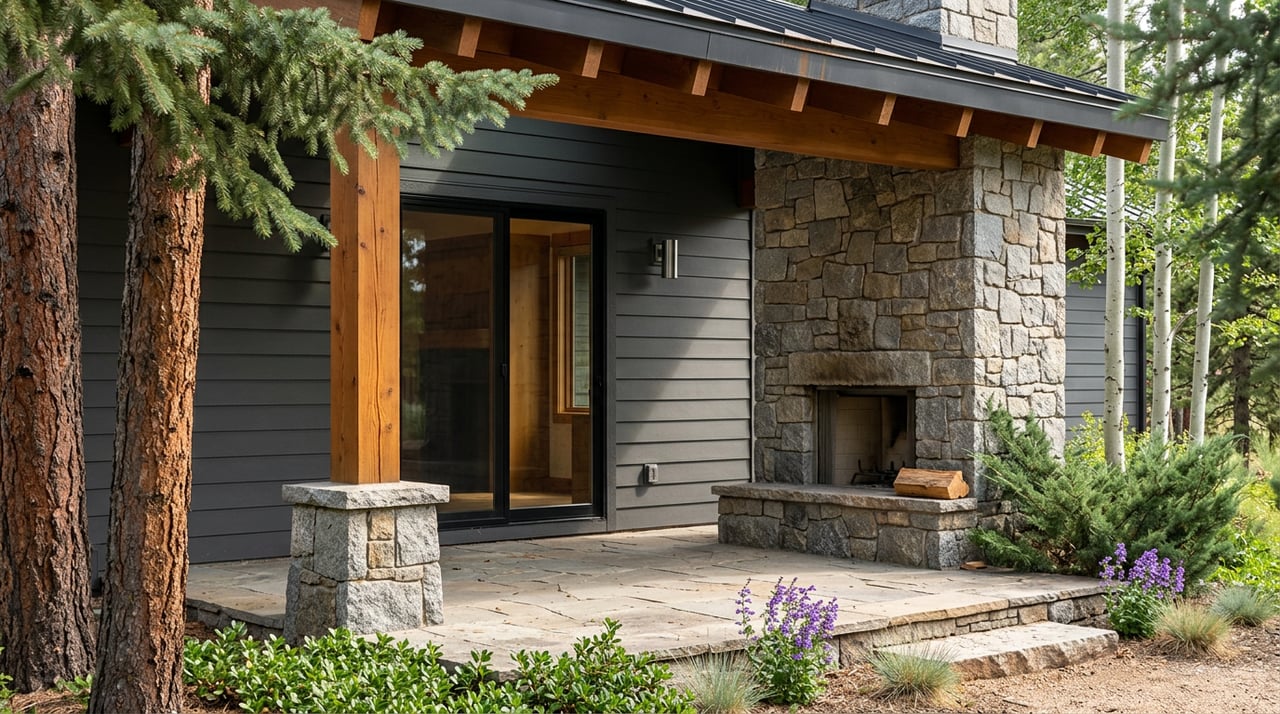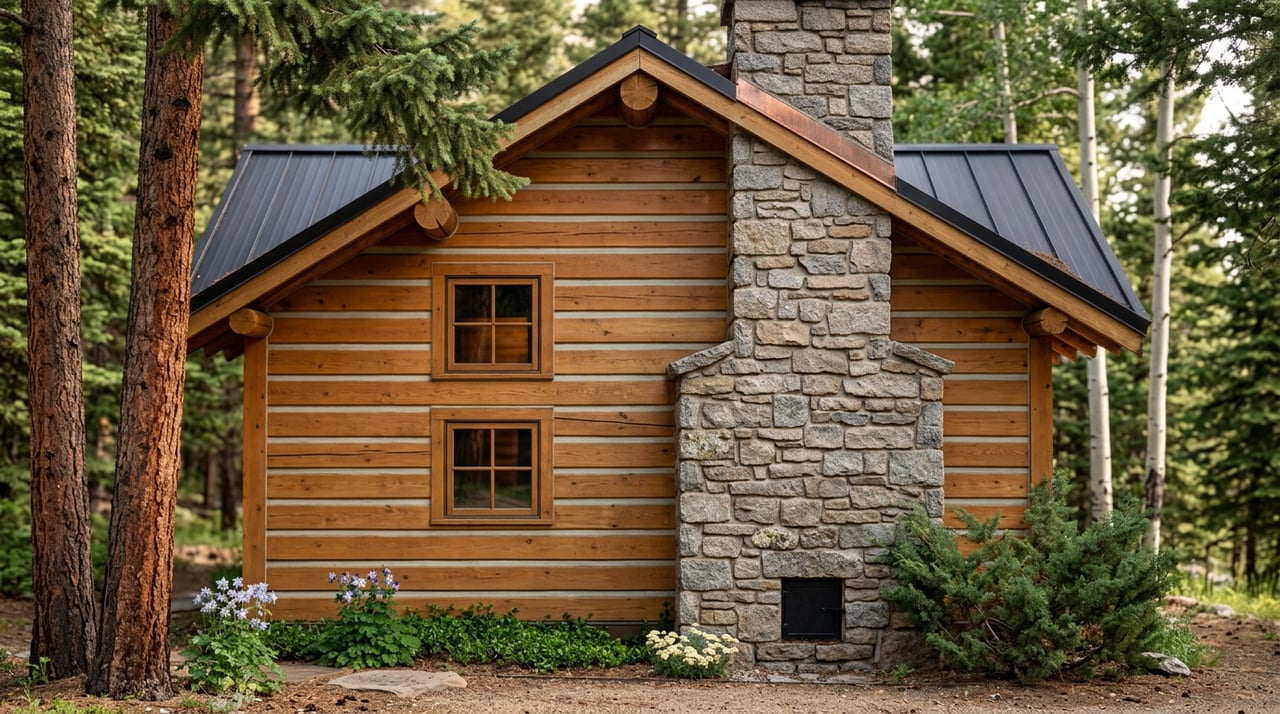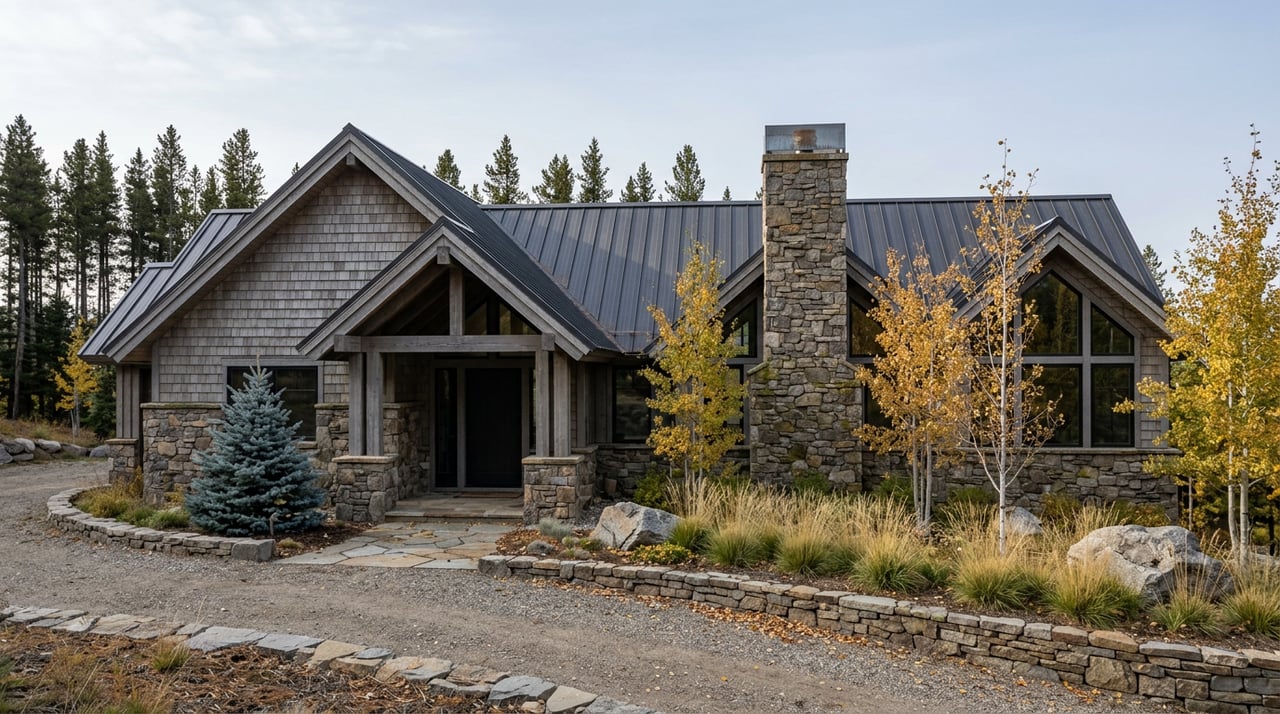
A cabin off Carriage Drive sits three streets from the golf course clubhouse and a short drive from Lake Estes. Its owner doesn't live in it. It's not anyone's second home in the traditional sense. It's an investment property, run through a manager, booked most weekends from Memorial Day through the elk rut in October. By late September it has logged 94 nights of paid short-term stays for the year.
That number isn't a performance metric for the owner's spreadsheet. Starting with the 2026 property tax year, it's the number the Larimer County Assessor uses to decide whether that cabin gets taxed like a house or like a hotel.
The Line Colorado Drew at 90 Nights
Two pieces of state legislation, House Bill 24-1299 and Senate Bill 24-033, created a new property tax subclass called lodging property. A short-term rental unit that is the owner's primary or secondary residence stays out of it entirely, no matter how many nights it's booked. But a unit that isn't the owner's primary or secondary home, a pure investment property, gets tested against a threshold: if it was leased for short-term stays more than 90 days in the previous tax year, the assessor classifies it as lodging property rather than residential. Rent it 90 nights or fewer and it stays residential.
Every owner of a short-term rental has to file an annual affidavit with the county assessor, due November 15, declaring under penalty of perjury whether the property will keep operating as an STR and whether it's a primary or secondary residence. If the assessor doesn't get clear information, the statute directs them to use what's on file to make the call, which can mean defaulting toward lodging in ambiguous cases.
The gap between the two classifications is not small. For the 2026 tax year, Colorado's statewide residential assessment rate is 6.8% for local government mill levies. Nonresidential property, the category lodging falls into, is assessed at 26%. Same cabin, same mill levy, wildly different base.
| Classification | 2026 Assessment Rate | Assessed Value on a $600,000 Cabin |
|---|---|---|
| Residential (primary/secondary home, or non-primary rented 90 days or fewer) | 6.8% | $40,800 |
| Lodging (non-primary/secondary property rented more than 90 short-term nights) | 26% | $156,000 |
Cross the line and the assessed value your mill levy applies to jumps by roughly 3.8 times. Nothing about the cabin changed. The calendar did.
Why 90 Nights Isn't a High Bar Here
In most of the country, 90 nights of paid bookings a year would be a strong number for a small vacation rental. In Estes Park, it's closer to the floor for a cabin that's actually working as an investment. The town markets itself around 300-plus days of sunshine a year, sits at the front door of Rocky Mountain National Park, and pulls Front Range weekend traffic on top of a long summer and fall tourist season that runs well past Labor Day. A well-located, well-managed Carriage Hills rental booked most weekends from late spring through the October elk rut clears 90 nights without much effort.
That's the part of this law worth sitting with. It doesn't only catch owners who are gaming the system with an unofficial hotel. It catches the properties doing exactly what an STR investment is supposed to do. The better the cabin performs, the more likely it crosses into the tax bracket built for hotels, motels, and bed and breakfasts, and the assessment jump can outweigh the extra nights of revenue that pushed it over the line in the first place.
The Paperwork That Decides It, Due in Two Months
The affidavit deadline of November 15 isn't a distant compliance detail. From today, it's about two months away. Anyone who closed on a Carriage Hills investment cabin this year, or is under contract on one now, needs to know who is responsible for filing that first affidavit and what it will say about the number of nights the property was rented in 2026.
The stakes of getting it wrong aren't hypothetical. A missed or incomplete filing risks a lodging classification the owner never intended, and correcting a classification after the fact means working through the county assessor's protest and appeal process rather than simply amending a form. For a buyer underwriting a Carriage Hills purchase as an income property, confirming who filed last year's affidavit, and what it said, belongs on the same due diligence list as the short-term rental license itself.
Carriage Hills Adds a Second Layer the County Doesn't Touch
The tax classification question is separate from whether a Carriage Hills property can operate as a short-term rental at all. The neighborhood sits under the Carriage Hills Property Owners Association, which maintains its own Protective Covenants, now in a fifth filing, and runs an Architectural Committee that reviews exterior changes, from paint colors to additions to fences. CHPOA's covenants govern what an owner can do to a structure. They're a separate legal instrument from anything the Larimer County Assessor or the Town of Estes Park regulates, and a buyer clearing zoning and licensing hurdles for an STR still has to check the recorded covenants and any CHPOA rules that might restrict rental use, because those restrictions exist independently of state tax law.
None of this makes Carriage Hills unusual among Estes Valley neighborhoods with an active HOA. It does mean a buyer treating the STR license as the finish line is missing a step that has nothing to do with the county at all.
What This Actually Changes for an Offer
None of this argues against buying a short-term rental in Carriage Hills. It argues for underwriting one differently than the standard advice suggests. The instinct in short-term rental investing has always been to book more nights, because more nights means more revenue. In Larimer County, for a property that isn't the owner's primary or secondary residence, the 91st night isn't a marginal gain. It's the event that resets the tax base for the year that follows, and the new assessed value doesn't reverse itself just because the owner books fewer nights the next season, since the classification runs on the prior year's affidavit and rental record.
A buyer comparing a Carriage Hills cabin they plan to occupy part of the year against one they intend to run purely as a booking calendar is comparing two different tax exposures, not just two different management styles. That distinction is worth working through with a tax professional before closing, not after the first affidavit comes due.
A Few Direct Questions
Does this affect a Carriage Hills cabin I use myself and only rent out occasionally? If the property qualifies as your primary or secondary residence, the 90-night reclassification test doesn't apply to it, regardless of how many nights it's booked. The threshold only reaches properties that aren't the owner's primary or secondary home.
What happens if the November 15 affidavit is missed? The county assessor uses whatever information is on file to make the classification call, which can mean defaulting toward the lodging category in cases where the ownership or usage picture isn't clear.
Does a CHPOA covenant override the county's tax classification, or vice versa? Neither overrides the other. The tax classification is a state and county determination about assessed value. CHPOA's covenants are a private, recorded restriction on what an owner can do with the property, including whether short-term rental use is allowed in the first place. A property can clear one and still run into the other.
If you're weighing a Carriage Hills purchase as an investment, a second home, or something in between, the numbers behind that decision are more specific than a listing sheet can show. The Alpine Legacy Team has spent two decades helping buyers work through exactly this kind of Estes Valley detail, from covenant review to rental economics. Begin Your Mountain Legacy when you're ready to look at what a specific Carriage Hills property actually pencils out to.