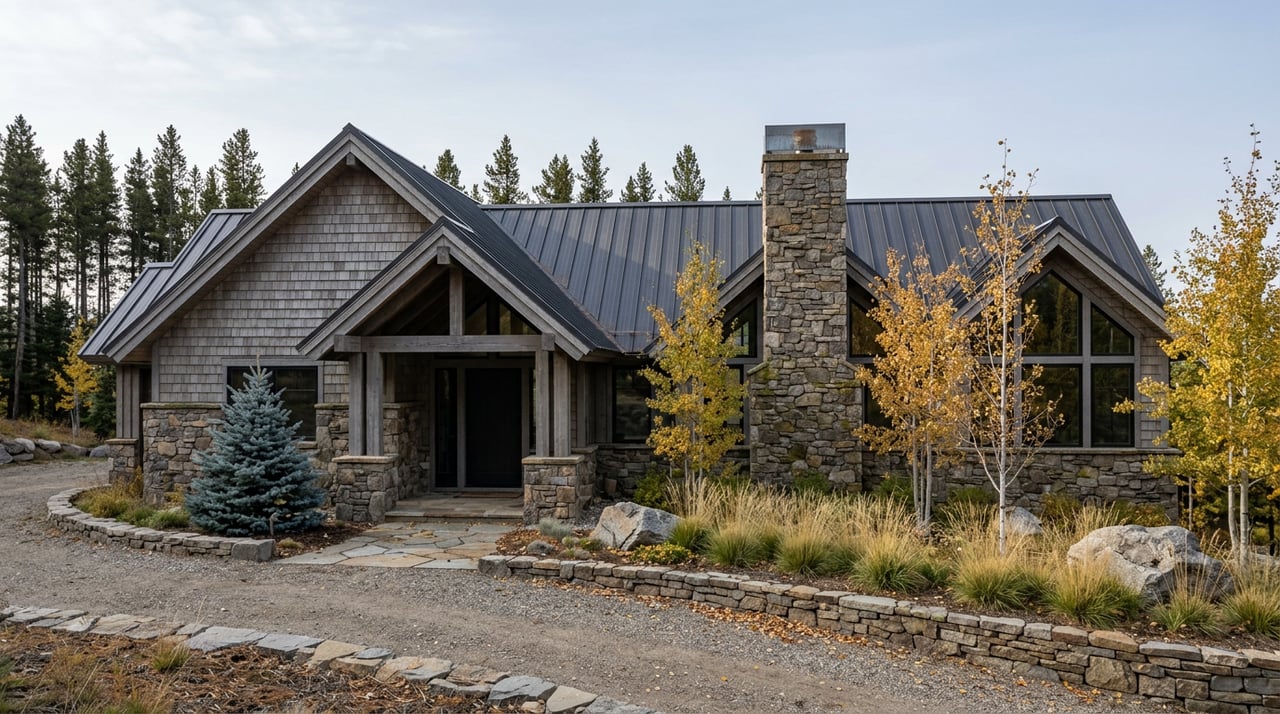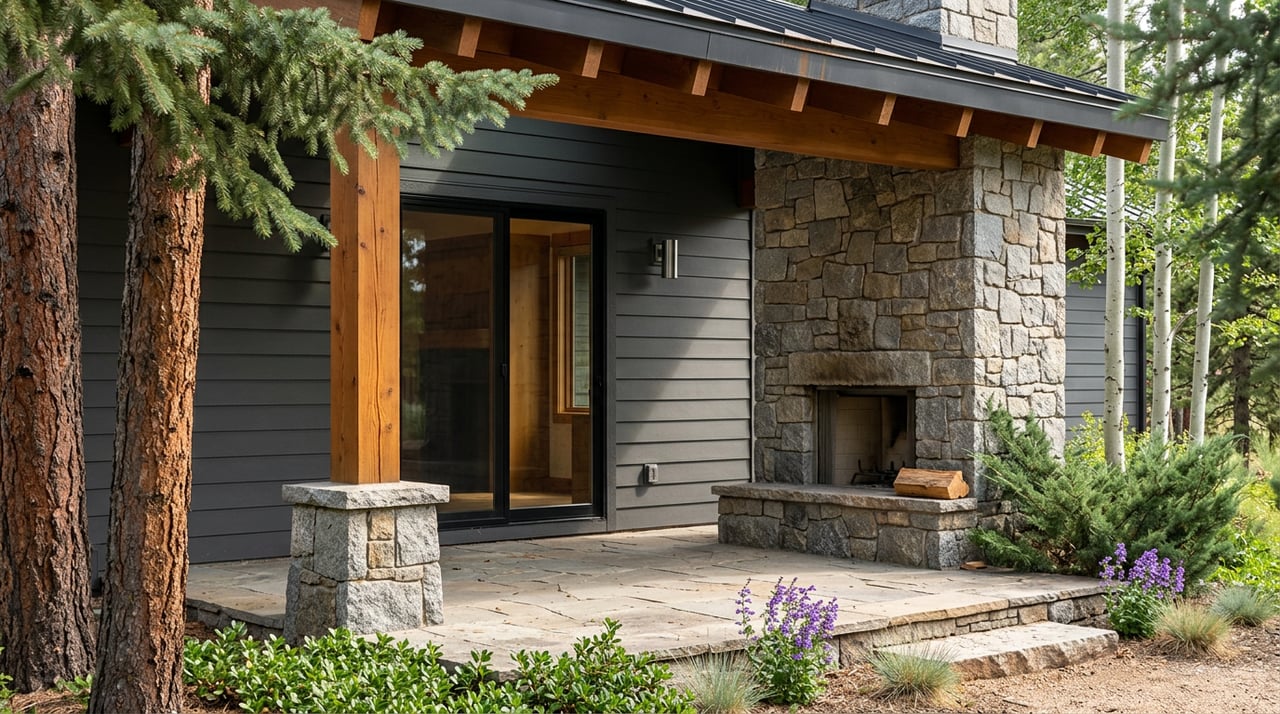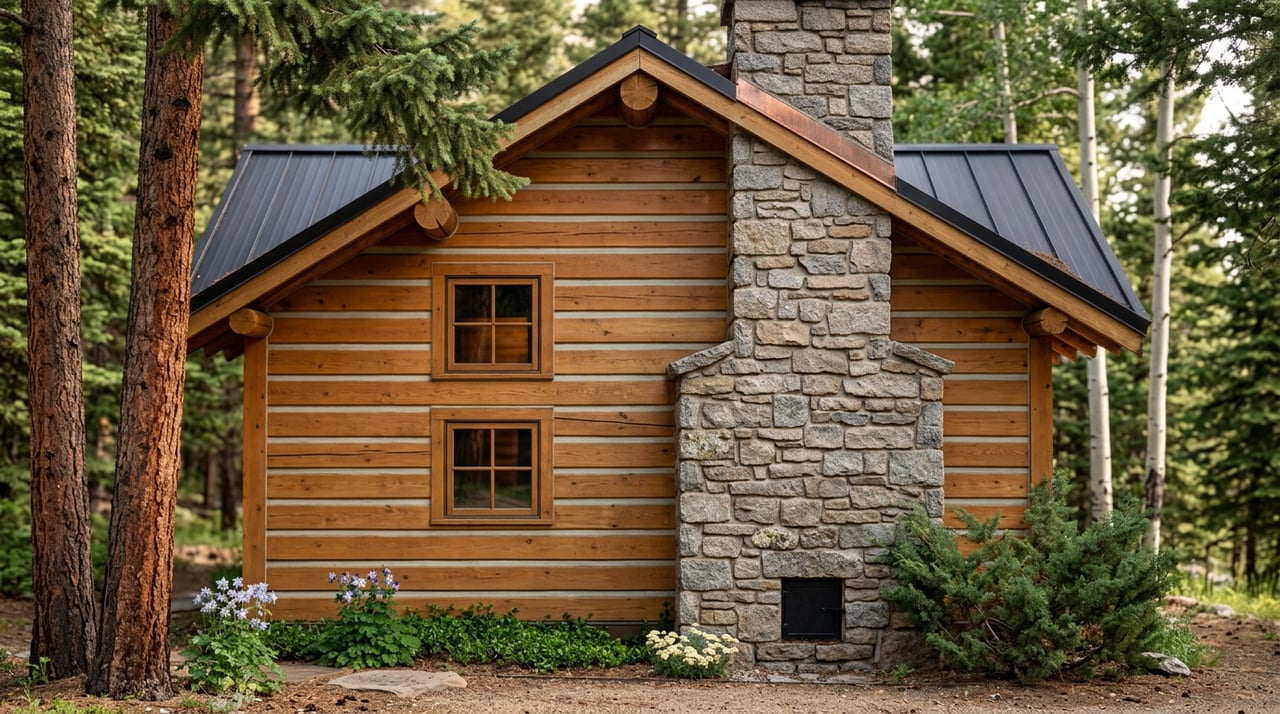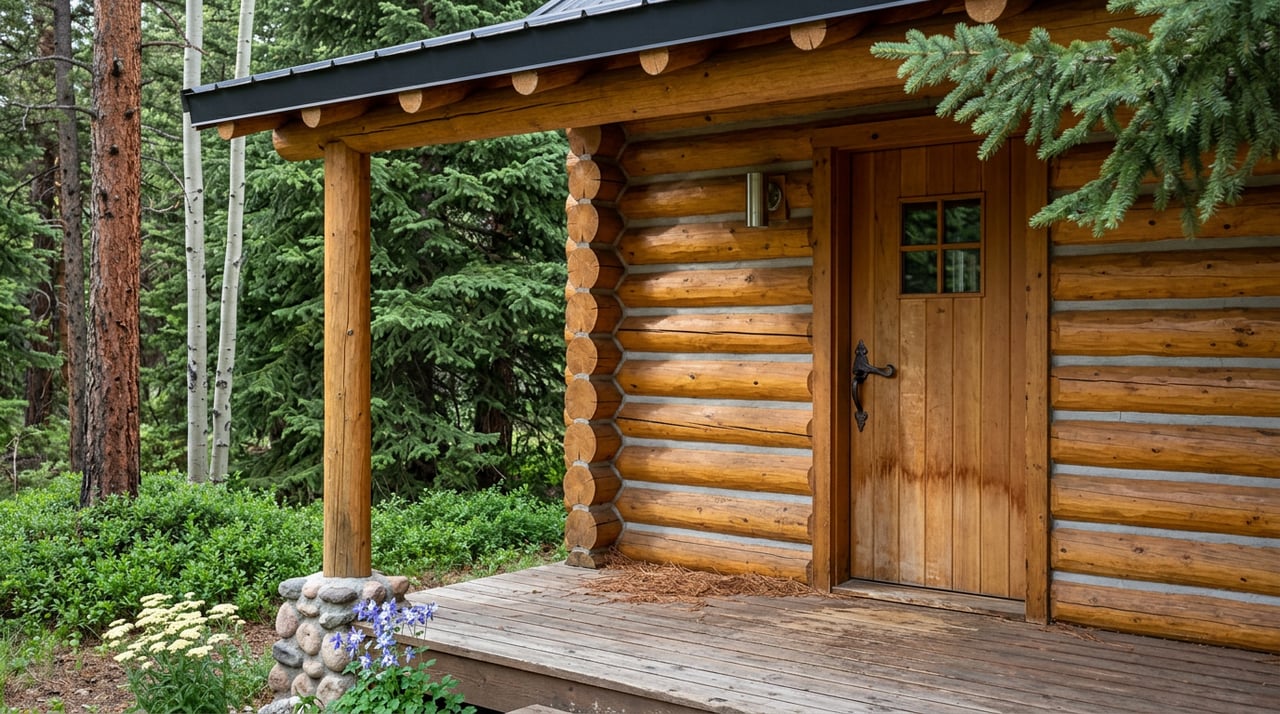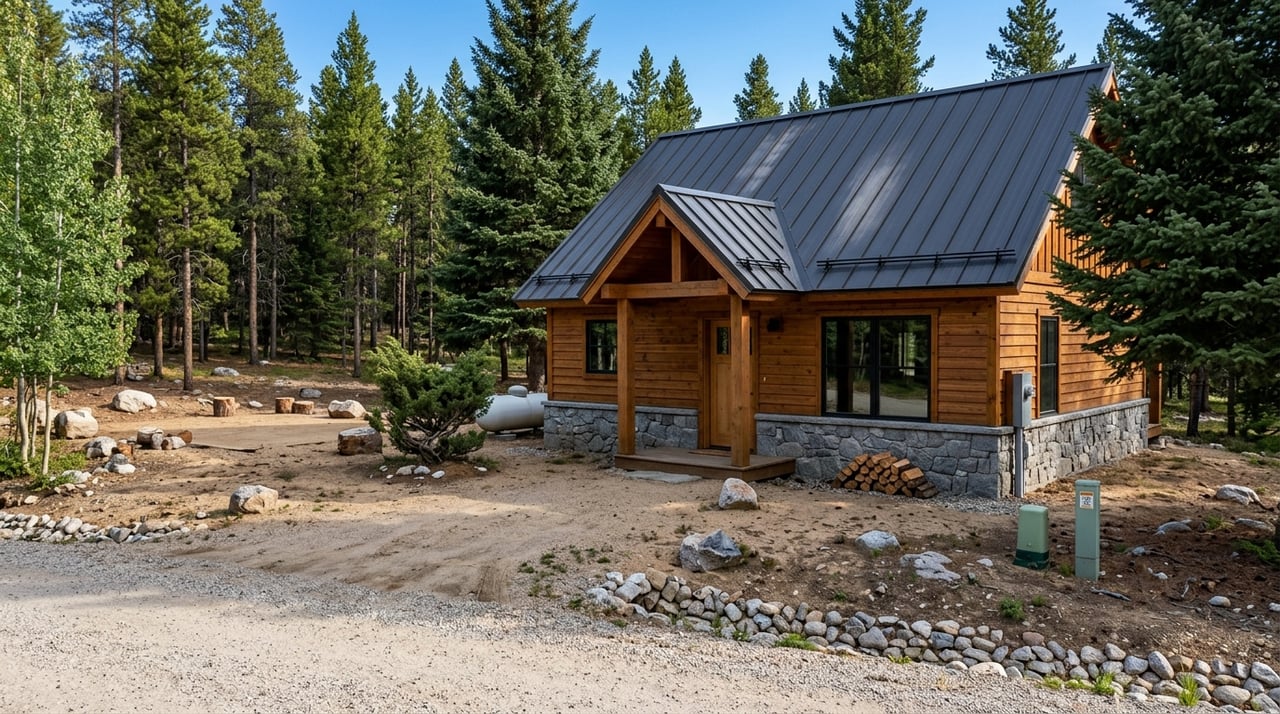
Dreaming about a quiet mountain getaway where your cabin sits among the pines or your land gives you room to build something simple and lasting? In Allenspark, that vision can feel very real, but mountain property comes with different rules, access questions, and utility details than a typical in-town home search. If you are looking for land or a rustic cabin here, the smartest move is to pair the dream with solid due diligence. Let’s dive in.
Why Allenspark Feels Different
Allenspark is not a typical small town with block-by-block neighborhoods and a busy main street. According to Boulder County’s unincorporated towns overview, it is an unincorporated mountain community in northwest Boulder County with a county-listed population of 528.
The area is better understood as a dispersed mountain-property market than a compact town center. Boulder County’s Allenspark plan summary explains that the broader planning area spans about 30,000 acres, with many widely scattered residential properties on large parcels and very limited commercial services in the townsite itself. That matters when you compare a legacy cabin near the historic core with acreage farther out in the forested hills.
For many buyers, that is the appeal. You are not just shopping for square footage. You are choosing a setting, a road, an access pattern, and a lifestyle shaped by the land around you.
What To Expect From Allenspark Properties
Rustic cabins often come in two categories
In Allenspark, listings often fall into one of two broad buckets: older cabins in or near the townsite, and larger mountain parcels with homes or future building potential outside the core. These can feel similar in photos, but they may live very differently once you look at zoning, utilities, and road access.
Within the mapped Allenspark townsite, Boulder County caps maximum Residential Floor Area at 1,500 square feet. That helps explain why many townsite cabins have a smaller, more traditional mountain-cottage feel than larger homes on acreage elsewhere in the area.
Land listings need a closer look
A beautiful piece of land is not always the same thing as a ready-to-build homesite. In much of unincorporated mountain Boulder County, the default zoning is Forestry, and Boulder County says that zoning has a 35-acre minimum lot size, along with specific setback and height rules. If a listing hints at a future split or an easy build, the parcel details matter.
The county also notes that creating parcels under 35 acres is generally not allowed without an official subdivision process, while parcels 35 acres or larger may be divided by deed. In plain terms, you should not assume a land purchase can be split or developed further unless the county confirms it.
How To Check If Land Is Buildable
Start with the parcel, not the photos
When you are searching online, listing photos can make almost any lot look ready for a dream cabin. The better first step is to check the parcel itself through Boulder County resources.
Boulder County’s Property Viewer and land use FAQs can help you understand general zoning, but county guidance also makes clear that GIS tools are not survey-quality maps. If boundaries, encroachments, or exact corners matter, a licensed surveyor should verify them.
Confirm legal lot status
A key question for vacant land is whether the parcel is already recognized as a legal building lot. Boulder County points buyers toward Building Lot Determination, and the county also states that vacant parcels need Site Plan Review before a building permit.
That means the word buildable in a listing should be treated as a starting point, not a guarantee. Before you move forward, confirm the county’s position on the lot itself.
Verify access, water, and wastewater
County rules require more than a nice homesite. Boulder County says homes need water service or a permitted well, plus sewer service or an OWTS, and structures like tiny homes or modular units must be placed on permanent foundations.
Legal access is another major checkpoint. County site-plan materials require documentation of legal access to the parcel and or proposed development location, so easements, driveway rights, and road connections all deserve careful review before you assume a parcel is ready to build on.
Utilities In Allenspark Are Parcel-Specific
One of the biggest mistakes mountain buyers make is assuming utility service works the same way across an entire community. In Allenspark, it does not.
The Allenspark Water & Sanitation District says it serves roughly 130 taps and provides water within its district boundaries. That can be helpful, but it does not mean every Allenspark address is automatically served by district water or sewer options.
Instead, utility planning is parcel-specific. Some properties may connect to district service within the right boundaries, while others may depend on a permitted well and an onsite wastewater system. For cabins and land alike, utility letters, septic records, and permit history usually tell you more than a listing description can.
Road Access Matters More Than You Think
Mountain roads can shape daily life
In a place like Allenspark, the road to the property is part of the property decision. Boulder County notes that the area is reached mainly by State Highway 7 and State Highway 72, but once you leave those corridors, access can vary quite a bit.
The county’s official Road Map shows road ownership, maintenance, use, surface type, and classification. That is an important tool because a county-maintained road, a private road, and a seasonally challenging route can create very different ownership experiences.
Winter access should be part of your search
Boulder County also assigns snow-removal priorities, and lower-volume roads are generally plowed after major routes are open. If you are buying a cabin for year-round use, or hoping to hold land while planning a build, winter access deserves real attention.
A scenic road in July may feel very different in January. Asking about plowing, surface conditions, driveway grade, and turnaround space is not overthinking it. It is smart mountain-property due diligence.
County Records Can Save You Time
The most helpful Allenspark property research often happens before a showing or before you write an offer. Boulder County offers online records searches for building permits, planning applications, and OWTS records, while the Clerk & Recorder resources can help you search deeds, covenants, plats, maps, and related filings.
These records can help you answer questions like:
- Has a cabin been altered with permits?
- Is there an existing OWTS record?
- Are there recorded easements affecting access?
- Does the plat match how the property is being marketed?
This step is especially useful for older cabins, inherited properties, and land listings where the marketing language is broad but the parcel facts are very specific.
Proximity To Trails Is A Real Draw
For many buyers, part of Allenspark’s appeal is easy access to public land and trailheads. Boulder County places the area at the edge of the Indian Peaks Wilderness and Rocky Mountain National Park, and the Wild Basin side of RMNP is a major point of interest near Allenspark.
The National Park Service notes that Copeland Falls is a 0.6-mile round trip from Wild Basin Trailhead. The research also identifies Sandbeach Lake at 4.3 miles one way from the Sandbeach Lake Trailhead and Finch Lake at 4.6 miles from Finch Lake Trailhead.
That said, close to trails can mean different things. A listing may be referring to county land, Forest Service access, or RMNP entry points, and each comes with its own rules, parking realities, and seasonal considerations.
Rocky Mountain National Park Access Still Requires Planning
Living near Rocky Mountain National Park can be a huge lifestyle benefit, but it does not mean you can skip the logistics. The National Park Service states that RMNP requires a valid entrance pass 24 hours a day, 7 days a week.
The park also requires timed-entry reservations from May 22 through October 12, 2026, between 9 a.m. and 2 p.m. for park access outside the Bear Lake Road Corridor rules, according to the RMNP fees and passes page. If park access is part of why you want an Allenspark cabin, it helps to understand those rules early.
A Smart Allenspark Buyer Checklist
If you are comparing land and rustic cabins in Allenspark, focus on these basics before you fall too hard for the view:
- Confirm whether the parcel is in the mapped townsite or Forestry zoning
- Verify whether the lot is recognized as a legal building lot
- Check for legal access and recorded easements
- Review road ownership, maintenance, and winter plowing realities
- Confirm water source and sewer or OWTS path
- Search permit history for cabins, additions, and systems
- Treat listing maps and sketches as general, not survey-grade
- Clarify whether trail access refers to RMNP, county land, or other public land
A mountain property can absolutely become a place where your family makes memories for years to come. The key is making sure the practical side of the property supports the lifestyle you want.
If you are exploring cabins, land, or legacy mountain property near Allenspark, Alpine Legacy can help you sort through the details with clear guidance and local perspective.
FAQs
What makes Allenspark different from a typical small-town home search?
- Allenspark functions more like a dispersed mountain-property market with scattered homes, large parcels, and limited commercial services rather than a compact town center.
What should you verify before buying land in Allenspark?
- You should confirm zoning, legal lot status, Site Plan Review requirements, legal access, water source, and sewer or OWTS options before assuming a parcel is buildable.
What is the common zoning pattern for mountain land near Allenspark?
- Boulder County says much of unincorporated mountain land is zoned Forestry, which generally has a 35-acre minimum lot size plus specific setback and height rules.
What utility questions matter most for Allenspark cabins and land?
- You should verify whether a parcel has district water availability, a permitted well, sewer access, or an OWTS, because utility service is parcel-specific.
What road-access issues should buyers watch in Allenspark?
- Buyers should check whether the road is county-maintained or private, how it is surfaced, and how winter snow-removal priority may affect access.
What does close to Rocky Mountain National Park mean for an Allenspark property?
- It can be a major lifestyle benefit, but park access still requires a valid entrance pass and, during certain dates and hours, timed-entry reservations.