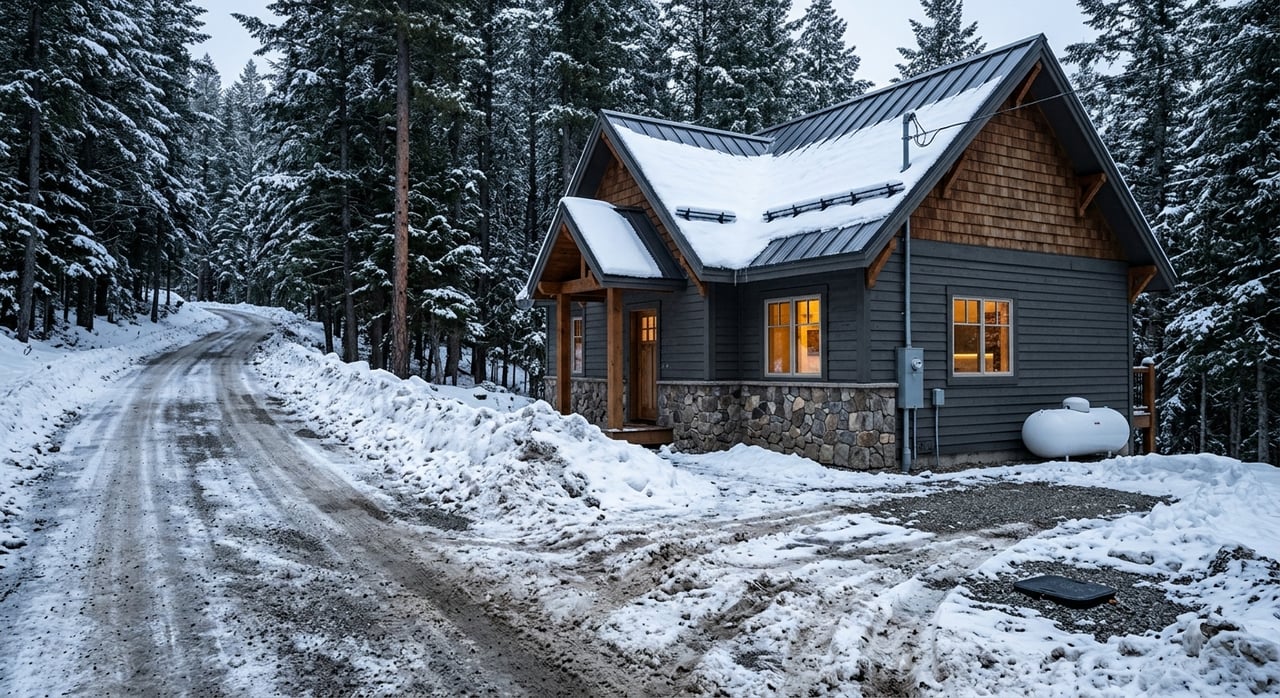
Wondering if Little Valley can work for full-time mountain living, not just weekend escapes? That is the right question to ask before you buy here. If you are thinking about a year-round home in this part of the Estes Valley, you need a clear picture of roads, snow, utilities, and everyday access. Let’s dive in.
What year-round living in Little Valley really means
Little Valley is an Estes Park-area subdivision in unincorporated Larimer County, not a typical in-town neighborhood grid. Larimer County identifies Little Valley GID #14, and its streets are gravel with no curb and gutter. That setting gives you a more rural mountain feel, but it also means daily logistics matter more.
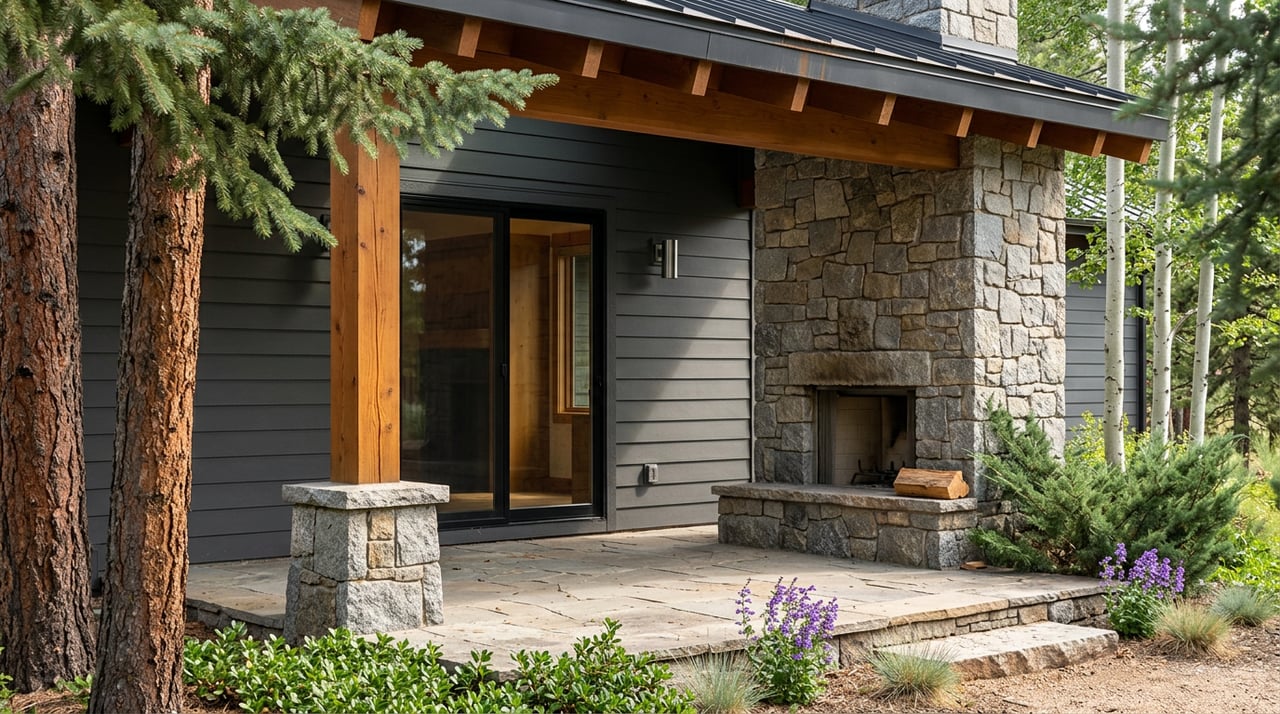
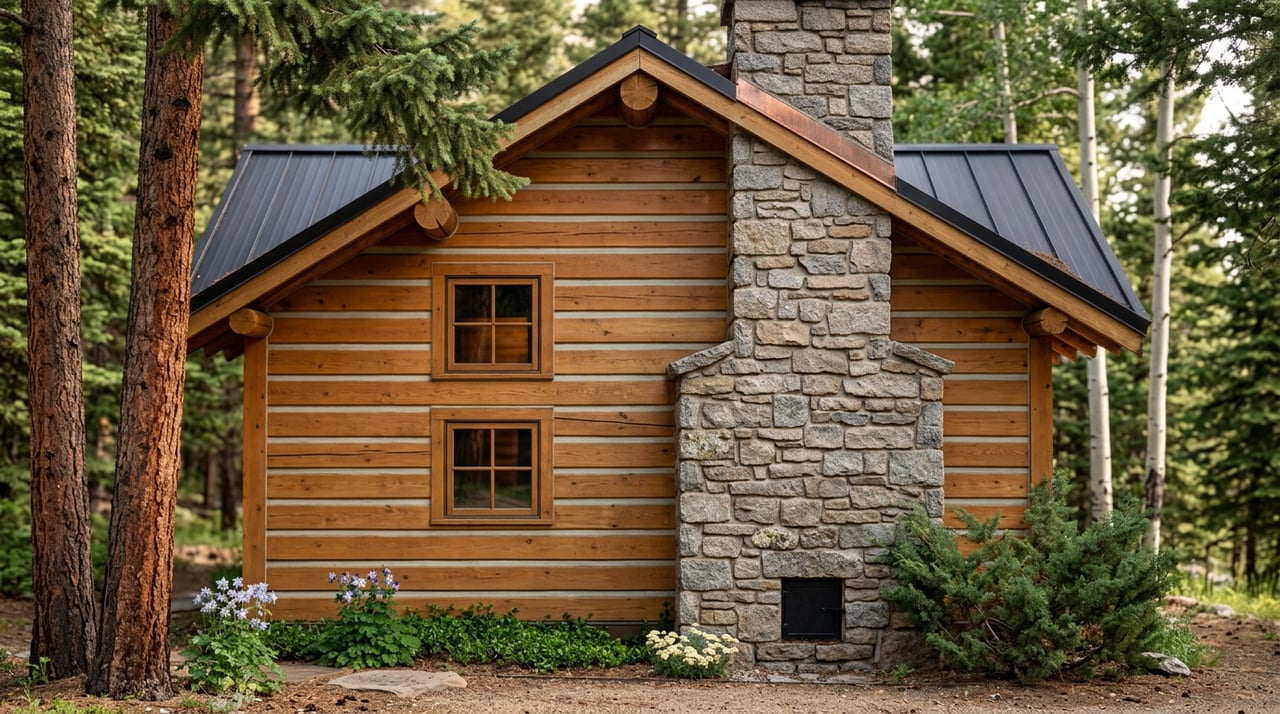
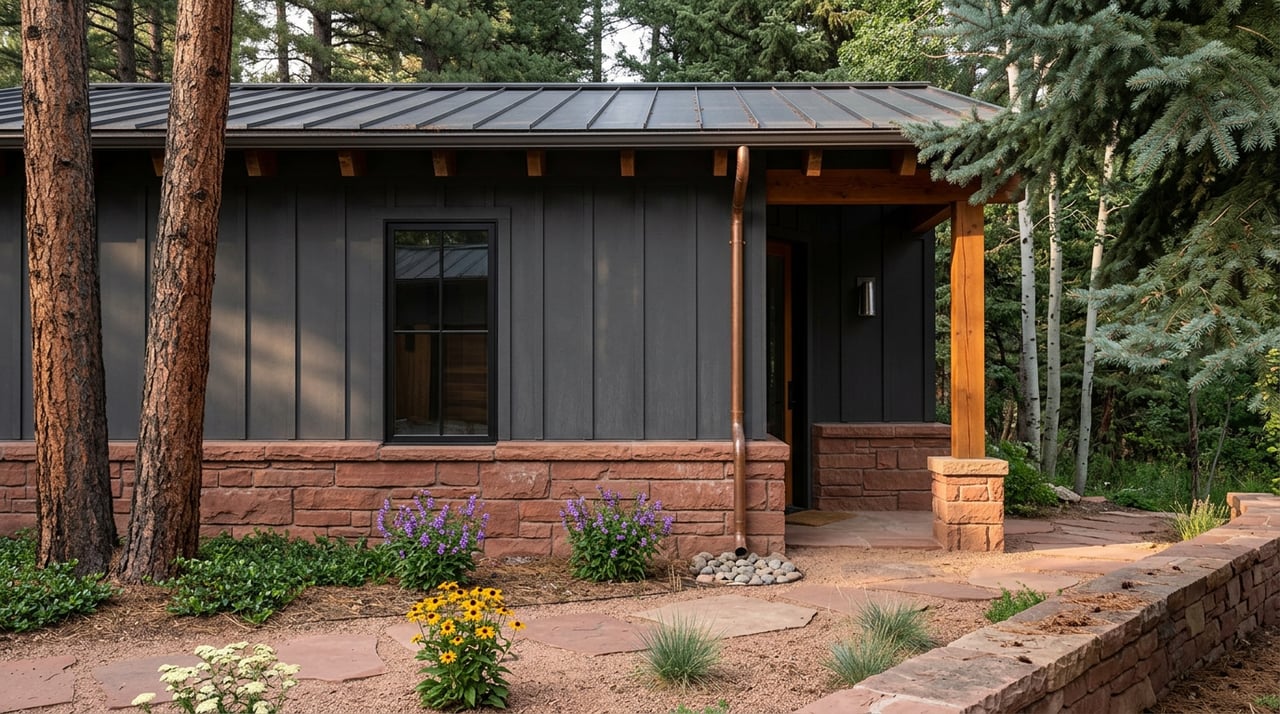
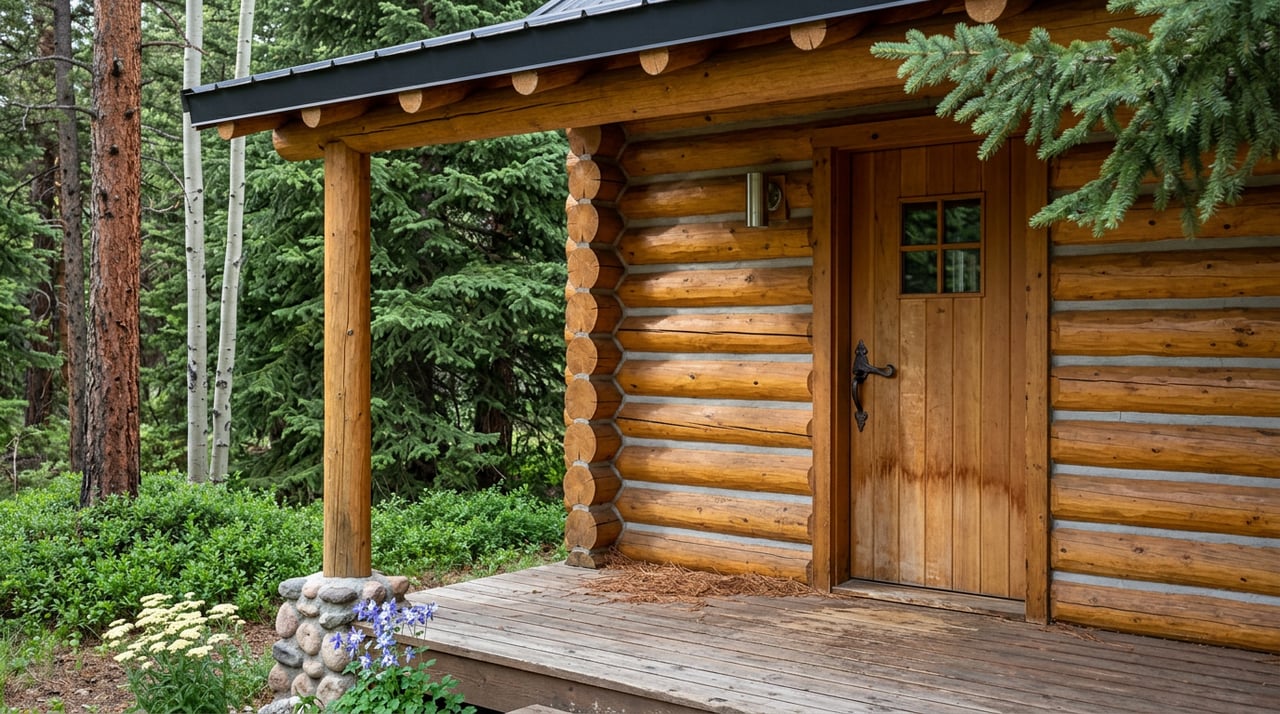
For many buyers, the appeal is easy to understand. Little Valley offers detached mountain homes on larger lots, with examples ranging from cottages on acreage to newer custom homes, log homes, and mountain-modern properties. The tradeoff is that each address can function a little differently when it comes to access, maintenance, and utility service.
Little Valley roads are steep and parcel-specific
If you are used to flatter suburban streets, Little Valley may feel very different. The area is steeply sloped, and planning records note that topography has constrained building placement in parts of the subdivision. The local wildfire planning documents describe common slopes of about 15% to 45%, with many north- and northwest-facing slopes.
That steep terrain affects how you should evaluate any home here. Driveway angle, road frontage, turn radius, and sun exposure can all shape how easy a property feels in winter and how practical it is for daily use. Two homes in the same subdivision can have very different access experiences.
Why road layout matters
The 2022 Estes Valley Community Wildfire Protection Plan update describes Little Valley as a one-way-in, one-way-out neighborhood. It also identifies a Little Valley Road project with 1.5 miles of first-priority roadway work intended to improve evacuation and responder access. That does not mean year-round living is impossible here, but it does mean access planning is part of smart due diligence.
If you are buying for full-time use, think beyond the house itself. Ask how the road network functions during storms, what approach roads look like, and whether your specific route feels workable for your comfort level.
Snow removal is not one-size-fits-all
One of the biggest mistakes buyers can make in mountain areas is assuming snow removal works the same way everywhere. In Little Valley, road maintenance and snow removal are not uniform across the subdivision. That is one of the most important takeaways for anyone planning to live here all year.
A 2009 board record says Little Valley has a General Improvement District overseeing the road system. Larimer County also says that where it has not accepted subdivision maintenance, residents or HOAs are responsible. On gravel subdivision roads, county maintenance is limited, and the county will not plow private roads or private driveways except in life-threatening emergencies.
What to verify before you buy
Because parcel conditions vary, you will want to verify the exact setup for the home you are considering. Current parcel examples show a mix of county-road frontage, private-road frontage, gravel surfaces, and at least one HOA fee that includes snow removal.
That means your checklist should include:
- Whether the home fronts on a county-maintained road or a private road
- Whether a GID or HOA handles road upkeep or snow removal
- Whether the driveway is private and who maintains it
- How steep the access route is from the main road to the home
- Whether winter access feels realistic for your vehicle and lifestyle
In Little Valley, these details are not minor. They are part of the property’s day-to-day livability.
Utilities in Little Valley are more rural
Little Valley buyers should generally expect a rural mountain utility pattern, not a fully urban setup. Utility service here is parcel-specific, and that matters whether you plan to live here full time or use the property seasonally.
The Town of Estes Park owns and operates the municipal water system, but water service outside town limits is discretionary. The town ordinance says service outside town limits can require annexation or a tap agreement. In current Little Valley parcel examples, private wells and septic systems are common.
Water, septic, and heat expectations
For a year-round buyer, the practical question is not just whether utilities exist. It is which utilities serve that specific address and how they are set up. Some current parcel examples also show propane or wood heat, which reinforces the rural mountain character of the neighborhood.
Before you commit, you will want to confirm:
- Whether the property uses a private well or another water source
- Whether the home is served by a septic system
- What heating systems are in place
- Whether backup heat or alternative fuel sources are part of the setup
- How utility access fits your comfort level for full-time living
These are normal questions in a mountain market. In fact, asking them early can save you from surprises later.
Internet is available, but still address-dependent
For many full-time buyers, internet is no longer optional. It is essential for work, school, streaming, security systems, and daily communication. The good news is that internet options in the Estes Park area are better than in many mountain locations, but Little Valley is still an address-by-address story.
Trailblazer Broadband says it is the Town of Estes Park’s municipally owned fiber service, and that service is available to most of Estes Park and Glen Haven as of 2024. The final phase to remaining Power & Communications service areas is still pending. Current Little Valley listing examples also advertise high-speed internet, cable TV, and satellite options.
The key question to ask
In Little Valley, the issue is usually not whether internet exists somewhere in the neighborhood. The real question is whether your exact parcel has fiber or another connection that works for your needs.
If you work remotely or need dependable bandwidth, ask for exact service details before moving forward. A seller’s broad statement about internet access is not the same as confirming the service level at a specific address.
Home sites vary more than you might expect
Little Valley is not a cookie-cutter neighborhood. The housing stock is mostly detached single-family mountain homes on larger lots, but there is a lot of variety in home style, lot size, and buildability.
Current examples include homes on roughly 1.5 to nearly 9 acres, along with styles such as wood-frame, log, stone, and mountain-modern construction. Some lots have wooded settings, rock outcroppings, creek frontage, or rolling terrain. Older subdivision patterns and custom home placements can create unusual setbacks, easements, or access conditions compared with newer in-town neighborhoods.
Why this matters for full-time buyers
When you buy in Little Valley, you are not just buying square footage. You are buying a specific site, road approach, and utility arrangement. That is why two homes with similar price points can offer very different year-round experiences.
A beautiful lot with privacy and space may also come with a steeper driveway, a more complex septic setup, or different snow-removal responsibilities. The goal is not to avoid that complexity. The goal is to understand it clearly before you close.
A smart buyer checklist for Little Valley
If you are serious about year-round living in Little Valley, keep your focus on practical details as much as scenery. The neighborhood can offer privacy, space, and a true mountain setting, but those benefits come with questions that should be answered early.
Use this checklist when evaluating a property:
- Confirm whether the road frontage is county or private
- Ask who maintains the road and who plows snow
- Review driveway slope, surface, and winter usability
- Verify water source and whether service is municipal or well-based
- Confirm septic details and system status
- Ask what heat sources serve the home
- Verify internet options at the exact address
- Understand any GID or HOA role in maintenance
- Ask about access conditions during winter storms
This kind of due diligence is especially helpful if you are relocating from the Front Range or buying from out of state. Mountain living can be incredibly rewarding, but it works best when you go in with clear expectations.
Little Valley can be a great fit for the right buyer
If you want larger lots, custom mountain homes, and a setting that feels tucked into the landscape, Little Valley may be worth a close look. It offers a kind of space and privacy that many buyers cannot find in more in-town locations. For the right buyer, that can be a meaningful part of building a long-term mountain lifestyle.
At the same time, this is a neighborhood where details matter. Gravel roads, steep grades, wildfire planning, and parcel-specific utilities all shape how a home functions through every season. Buying wisely here means matching the property to your daily needs, comfort level, and long-term plans.
When you want honest, local guidance on mountain properties and the practical side of full-time living, The Alpine Legacy Team is here to help you move forward with clarity.
FAQs
Is Little Valley in Estes Park city limits?
- Little Valley is in the Estes Park area but in unincorporated Larimer County, and at least one current parcel record lists it as outside city limits.
Are Little Valley roads paved for year-round access?
- Larimer County identifies the subdivision streets in Little Valley GID #14 as gravel roads with no curb and gutter.
Who handles snow removal for homes in Little Valley?
- Snow removal can vary by parcel because some roads may involve a GID, HOA, county frontage, or private-road arrangements, so buyers should verify the exact setup for a specific property.
Do Little Valley homes use city water and sewer?
- Utility service is parcel-specific, and current parcel examples commonly show private wells and septic systems rather than a fully urban water-sewer pattern.
Is fiber internet available in Little Valley?
- Internet availability is address-dependent, and while Trailblazer Broadband says fiber is available to most of Estes Park and Glen Haven as of 2024, buyers should verify service at the exact parcel.
Is Little Valley a good choice for full-time mountain living?
- Little Valley can work well for year-round living if you are comfortable with steep terrain, gravel roads, parcel-specific utilities, and the need to verify winter access and maintenance details before you buy.