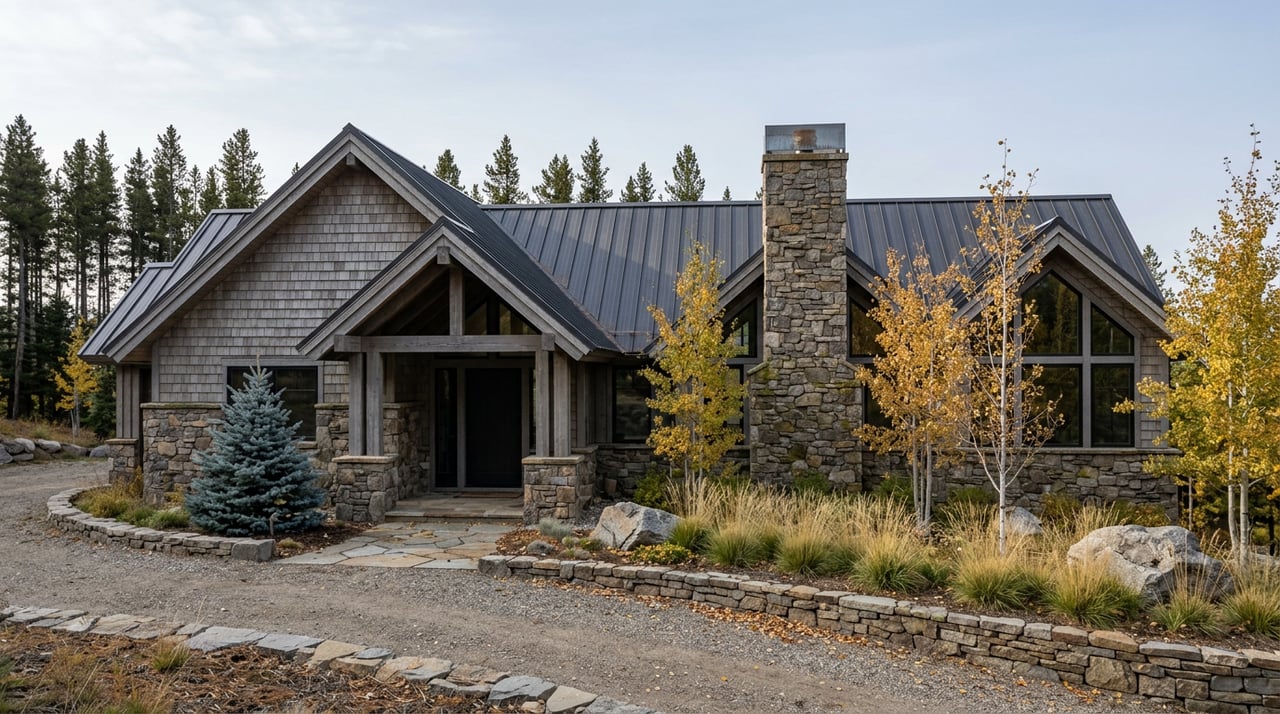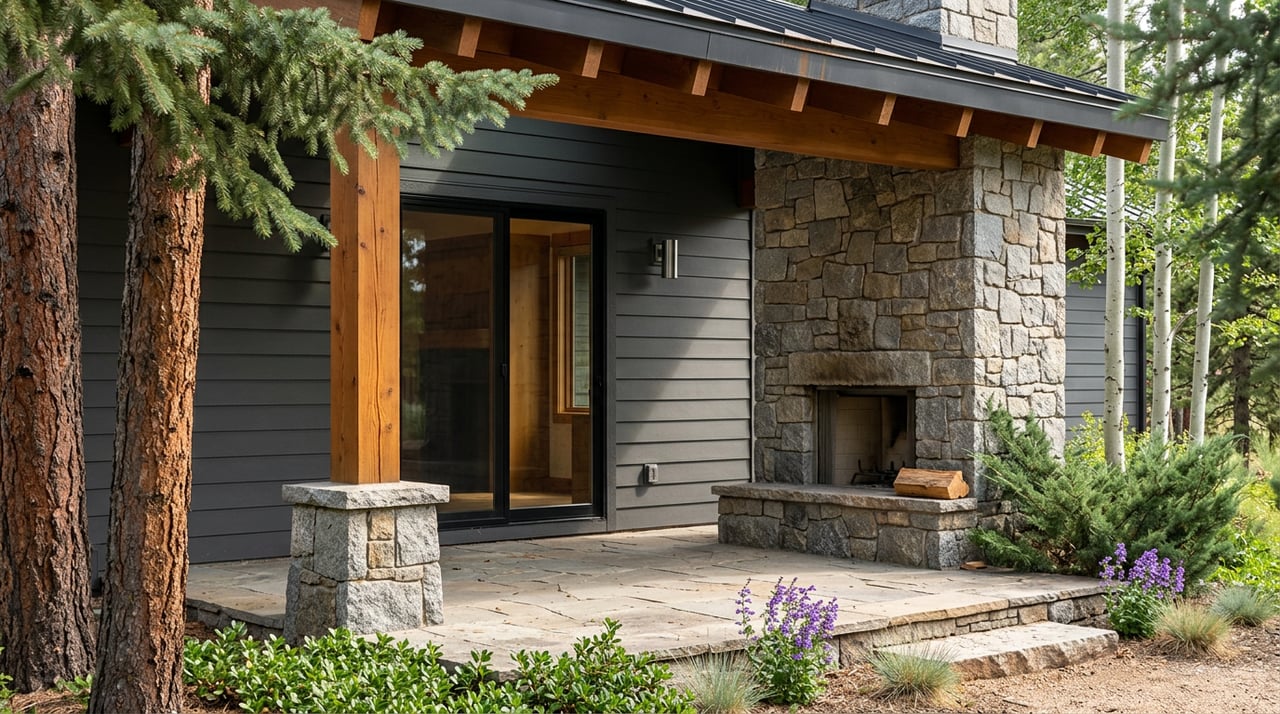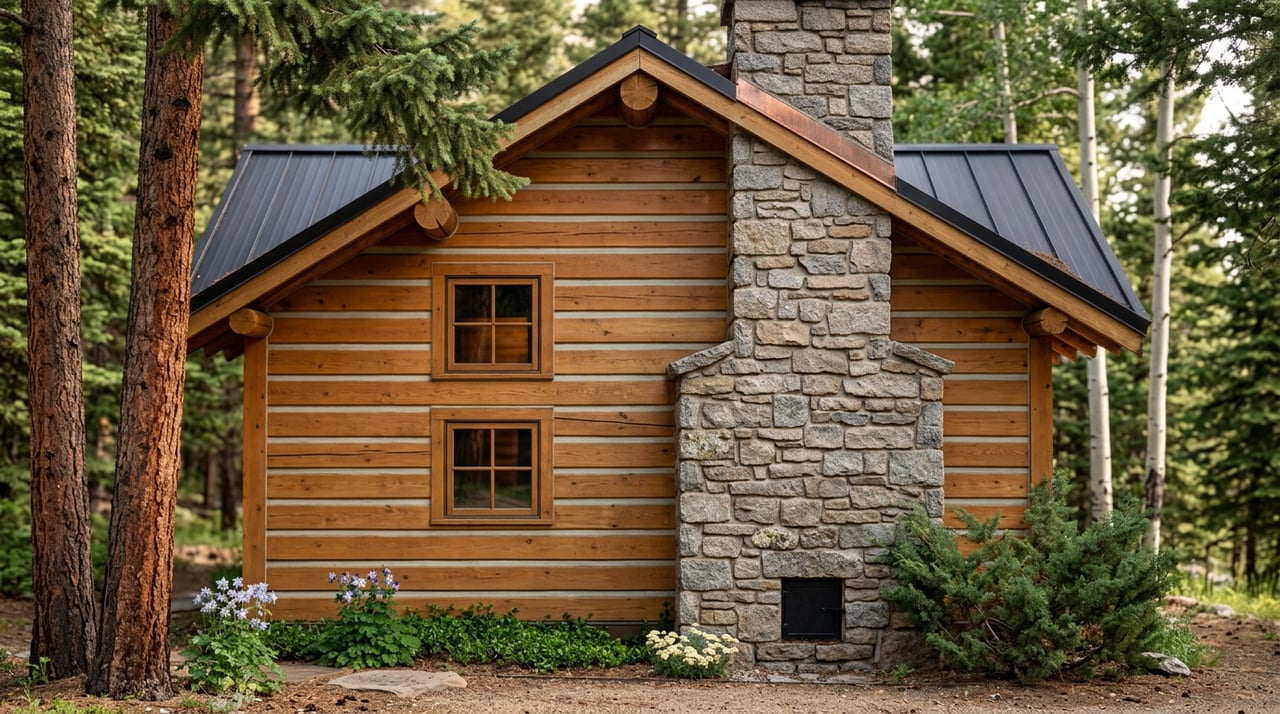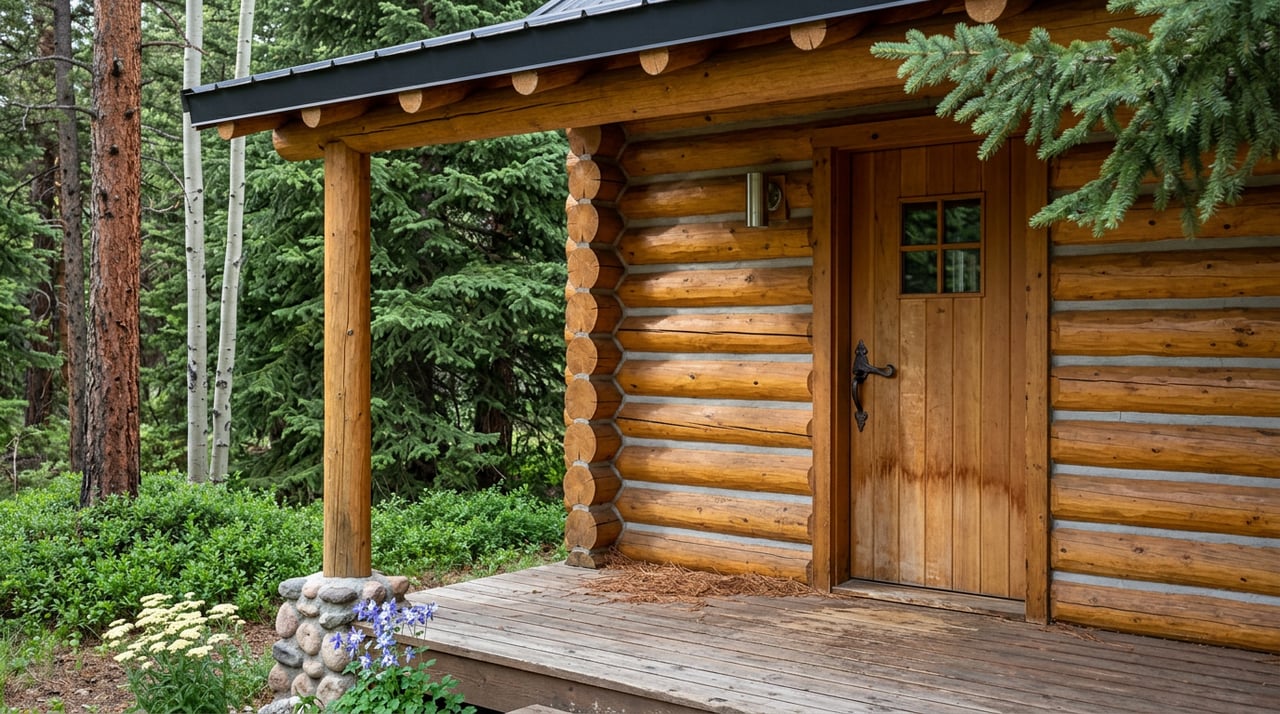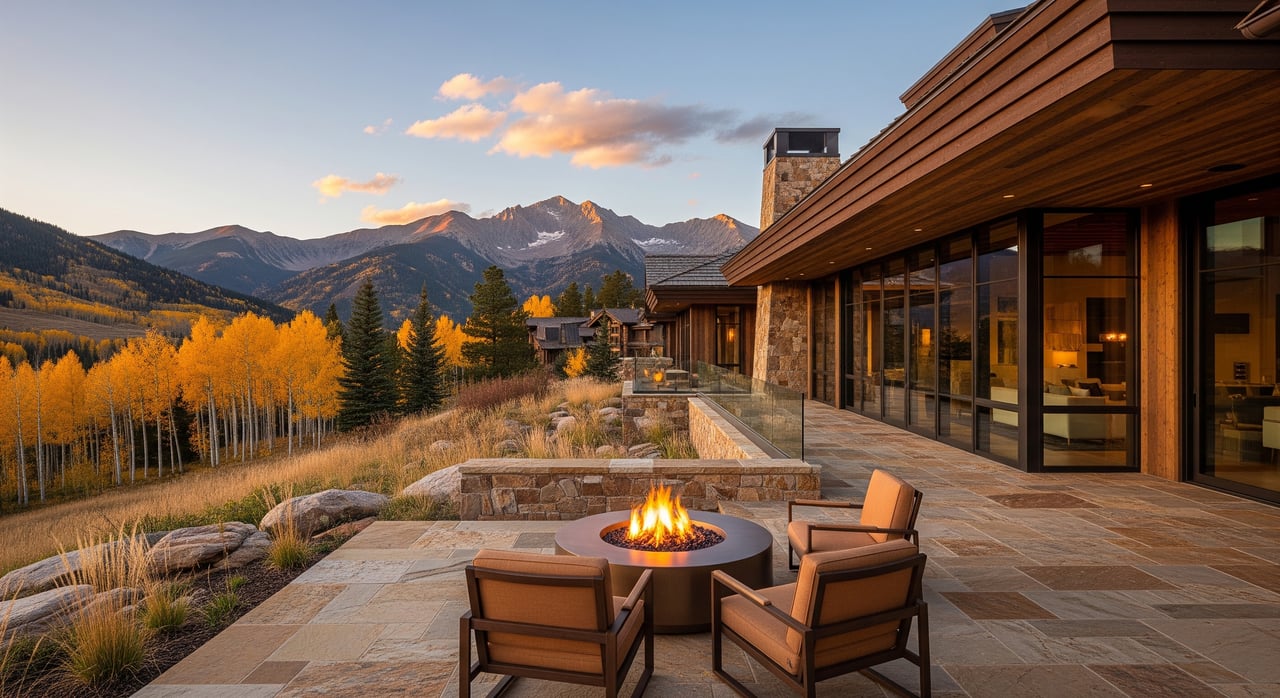
Imagine stepping out your door to crisp alpine air, trailheads minutes away, and a place your family returns to year after year. If you are weighing a second home in Estes Park, you likely want a peaceful retreat that also works with real life, from travel time to winter conditions. In this guide, you will learn how to choose the right location, property type, and plan for regulations, financing, and year‑round ownership in ZIP 80517. Let’s dive in.
Why Estes Park works for second homes
Estes Park sits at the gateway to Rocky Mountain National Park, which drives steady interest from nature lovers and outdoor explorers. Demand peaks in summer, stays strong through fall, and softens in winter outside of holidays. That seasonality matters if you plan to rent or host.
From the Front Range, the drive is often about 1 to 2 hours depending on starting point, traffic, and weather. Mountain roads can see closures during storms, and some park roads have seasonal closures. Build flexible travel plans into your decision.
The high‑elevation climate means cool summers and snowy winters. Wildfire and flood are regional concerns in Colorado mountain communities. These risks can affect insurance availability and costs, and they warrant extra due diligence when you shop.
Choose your location in 80517
ZIP 80517 spans the Town of Estes Park and nearby unincorporated Larimer County. Rules can differ by jurisdiction, so confirm whether a property sits inside town limits or the county.
Downtown and Lower Valley
- Pros: Walkability to shops and restaurants, convenient guest access, year‑round municipal utilities in most areas.
- Cons: More visitor traffic, smaller lots, potential for higher prices per square foot.
Residential neighborhoods in town
- Pros: Quieter streets, a more residential feel, larger lots and views in many pockets.
- Cons: Some steeper driveways and more snow maintenance; outlying edges may have private wells or septic.
Outlying and unincorporated areas
- Pros: More privacy, potential acreage, and forest or lakeside settings.
- Cons: Longer drives for supplies and dining, limited services in some areas, and different land‑use rules under Larimer County.
Pick your property type
Condos and townhomes
- Pros: Lower maintenance, common services like snow removal, convenient for part‑time use, often simpler for guest access.
- Cons: HOA fees and rules, possible rental restrictions, and risk of special assessments.
Single‑family cabins and homes
- Pros: Privacy, land, and the ability to personalize for long‑term legacy use.
- Cons: More upkeep, snow and access considerations, possible septic and well systems, and potentially higher insurance.
Vacant land to build
- Pros: Design exactly what you want and orient the home for views and sun.
- Cons: Up‑front development costs, permitting, site constraints like slope and soils, and utility extensions.
Duplex or multi‑unit
- Pros: Flexible use for extended family or potential rental income.
- Cons: More complex management and closer regulatory scrutiny if you plan to rent.
Verify utilities and access early
Before you fall in love with a view, confirm the basics. A quick checklist helps you avoid surprises.
- Sewer: Municipal sewer in town vs septic elsewhere. Confirm septic age, capacity, and inspection needs.
- Water: Town water vs private well. Test well yield and water quality.
- Power and internet: Some remote spots have slower broadband or spotty cell coverage; ask about outage history.
- Roads and snow: Who plows the road and driveway, and how steep is access in winter?
Plan for short‑term rentals the right way
If you want rental income, research rules before you buy. Demand is often strong due to park visitation, but permitting can be strict.
- Confirm whether the zoning and property type allow short‑term rentals.
- Review licensing processes, fees, occupancy, parking, noise, and trash rules.
- Understand lodging and sales tax responsibilities, and how platforms or managers handle remittance.
- Note that the Town of Estes Park and Larimer County have different rules. Jurisdiction matters.
Financing and insurance basics
Lenders treat second homes differently from primary residences. Underwriting can be stricter, and investment properties have even tighter standards.
- Down payment requirements for second homes often fall in the 10 to 20 percent range, depending on lender and profile.
- Properties with wells, septic, or more remote access may require lenders who understand mountain homes.
- Insurance can be higher in areas with wildfire or heavy snow risk. Ask about wildfire surcharges, flood insurance if needed, and riders like sewer or septic backup.
- If you plan to rent, disclose that to your insurer. STR use can change coverage and premiums.
Owning in the mountains: operations and costs
The right systems and partners make remote ownership easier and safer.
- Winterization: Protect plumbing and appliances if the home sits vacant. Remote thermostats and leak sensors add peace of mind.
- Heating: Choose reliable, efficient heat. Wood or pellet stoves need regular maintenance.
- Snow and debris: Budget for plowing, roof and gutter maintenance, and ice‑dam prevention.
- Property management: For rentals or remote owners, managers can handle guest services, cleaning, and emergency response. Verify experience, scope, and insurance.
- Wildlife and stewardship: Use bear‑resistant trash and consider defensible space, ember‑resistant materials, and vegetation management.
A simple decision framework
Use this step‑by‑step list to move from dream to decision with clarity.
- Define your primary goal: personal retreat, rental income, legacy home, or a hybrid.
- Set realistic visit frequency and travel tolerance, including winter conditions.
- Rank must‑haves: proximity to town or RMNP, views, acreage, maintenance level, and HOA services.
- Confirm jurisdiction for each property and research STR rules for that specific parcel.
- Verify utilities: sewer vs septic, town water vs well, broadband and cell coverage.
- Order a local inspection focused on seasonal risks like roof, heating, insulation, plumbing, and driveway access.
- Get insurance quotes and review wildfire and flood exposure before you offer.
- Explore property management options and outline operating cash flows if you plan to rent.
- Work with a local Realtor who knows second homes and STR dynamics for comps and realistic income assumptions.
- Review tax implications with a CPA, including personal use days and depreciation.
Examples: match your profile
Weekend family retreat
- Likely fit: In‑town condo or townhome for low maintenance and easy access.
- Why: Shorter drives, walkable amenities, and simple winter logistics.
- Watchouts: HOA rental rules if you want occasional STR income.
Hybrid owner who rents part‑time
- Likely fit: In‑town or close‑in single‑family home with good access and parking.
- Why: Broad guest appeal and easier oversight by a local manager.
- Watchouts: Licensing caps or neighborhood restrictions and lodging tax compliance.
Legacy home for long stays and privacy
- Likely fit: Outlying single‑family home or acreage in unincorporated areas.
- Why: More space and seclusion for multi‑generational use.
- Watchouts: Septic and well diligence, steeper driveways, and insurance for wildfire exposure.
Ready to explore your options?
You deserve a mountain home that fits your life today and your legacy tomorrow. Our team pairs deep local knowledge with practical, step‑by‑step guidance on neighborhoods, STR rules, inspections, insurance, and property management. If you want an advisor who will put clarity and stewardship first, connect with Alpine Legacy to Begin Your Mountain Legacy.
FAQs
When is the best time to shop for a second home in Estes Park?
- Summer and fall offer peak access and show seasonal demand patterns, while winter previews snow and travel realities so you can gauge year‑round suitability.
How long is the drive from Denver or Fort Collins to Estes Park?
- Typical drive times range from about 1 to 2 hours depending on origin, traffic, and weather, with winter storms and mountain road conditions sometimes affecting access.
What should I know about short‑term rental permits in 80517?
- Rules depend on whether the property is in the Town of Estes Park or unincorporated Larimer County, so verify zoning, licensing, occupancy limits, parking, and taxes for the specific parcel.
Are wildfire and flood risks a concern for homes in Estes Park?
- Yes, they are regional considerations that can influence insurance and due diligence; review hazard maps, consider defensible space, and confirm if flood insurance is recommended.
What utility checks are most important before I make an offer?
- Confirm sewer vs septic and inspection status, town water vs well testing and yield, broadband and cell coverage, and who handles road and driveway snow removal.
Can I finance a home with a well and septic as a second home?
- Many lenders will, but requirements vary; engage a lender experienced with mountain properties early to confirm down payment, reserves, and appraisal criteria.