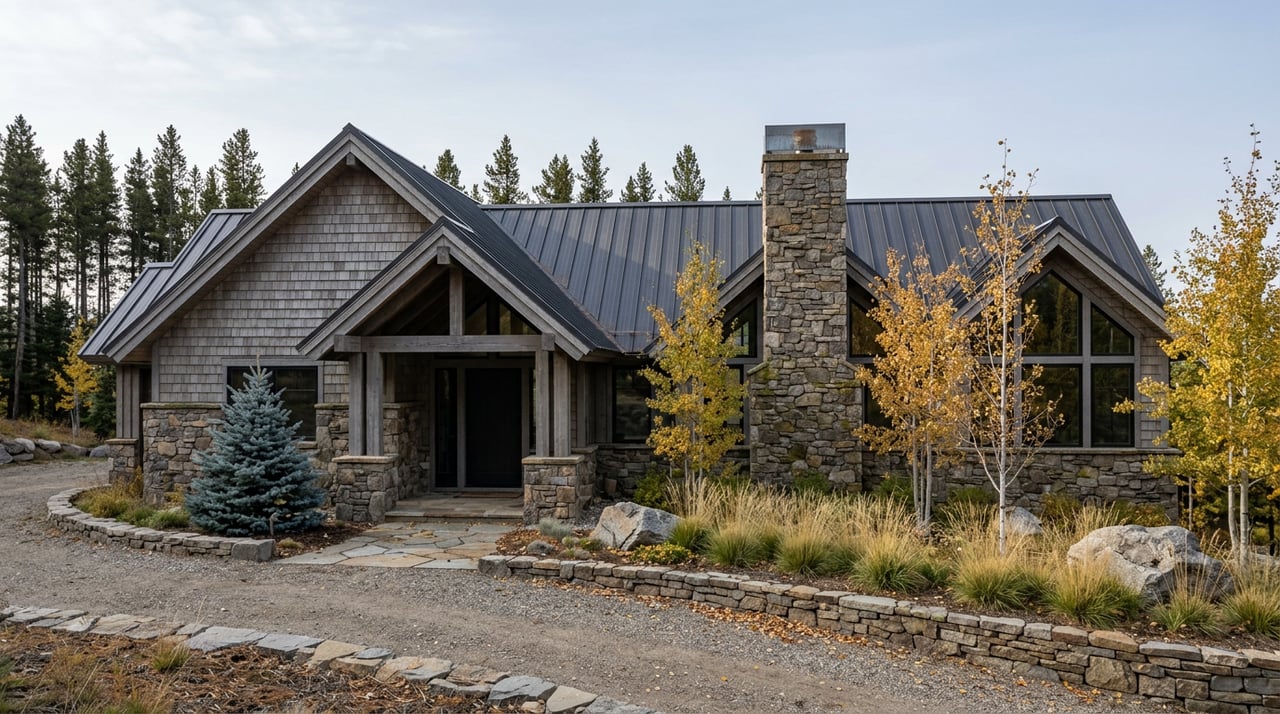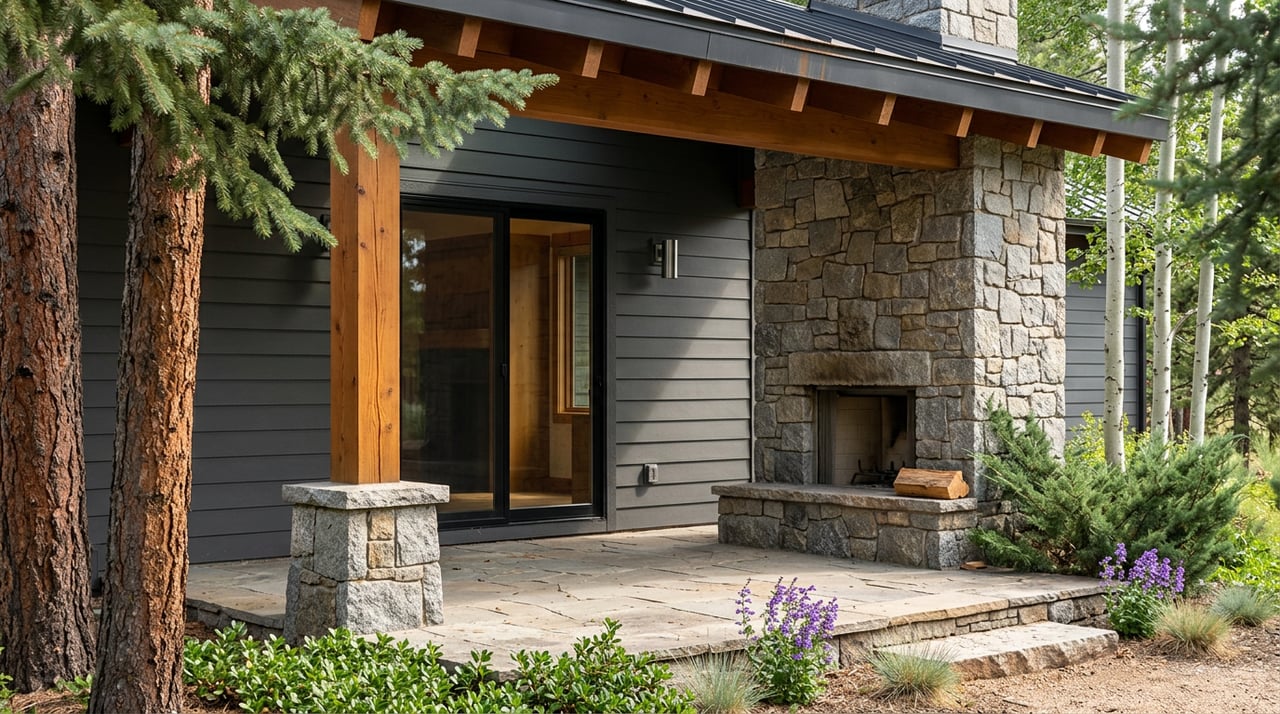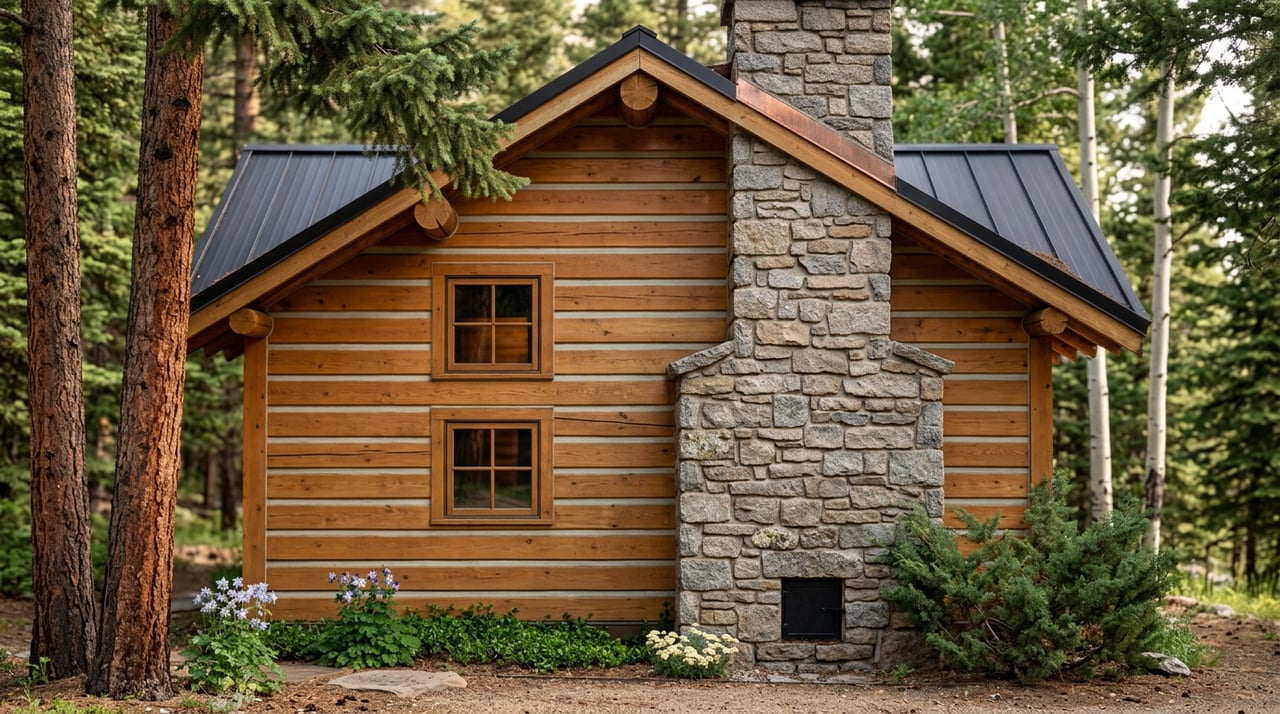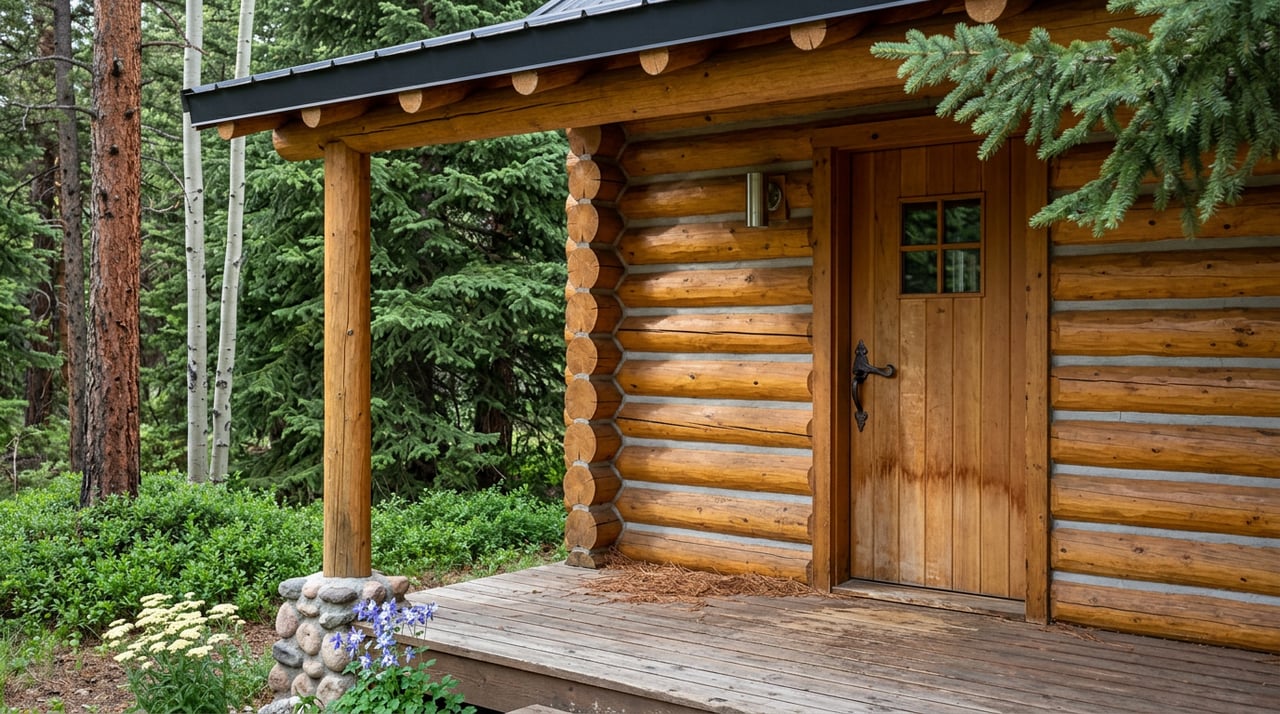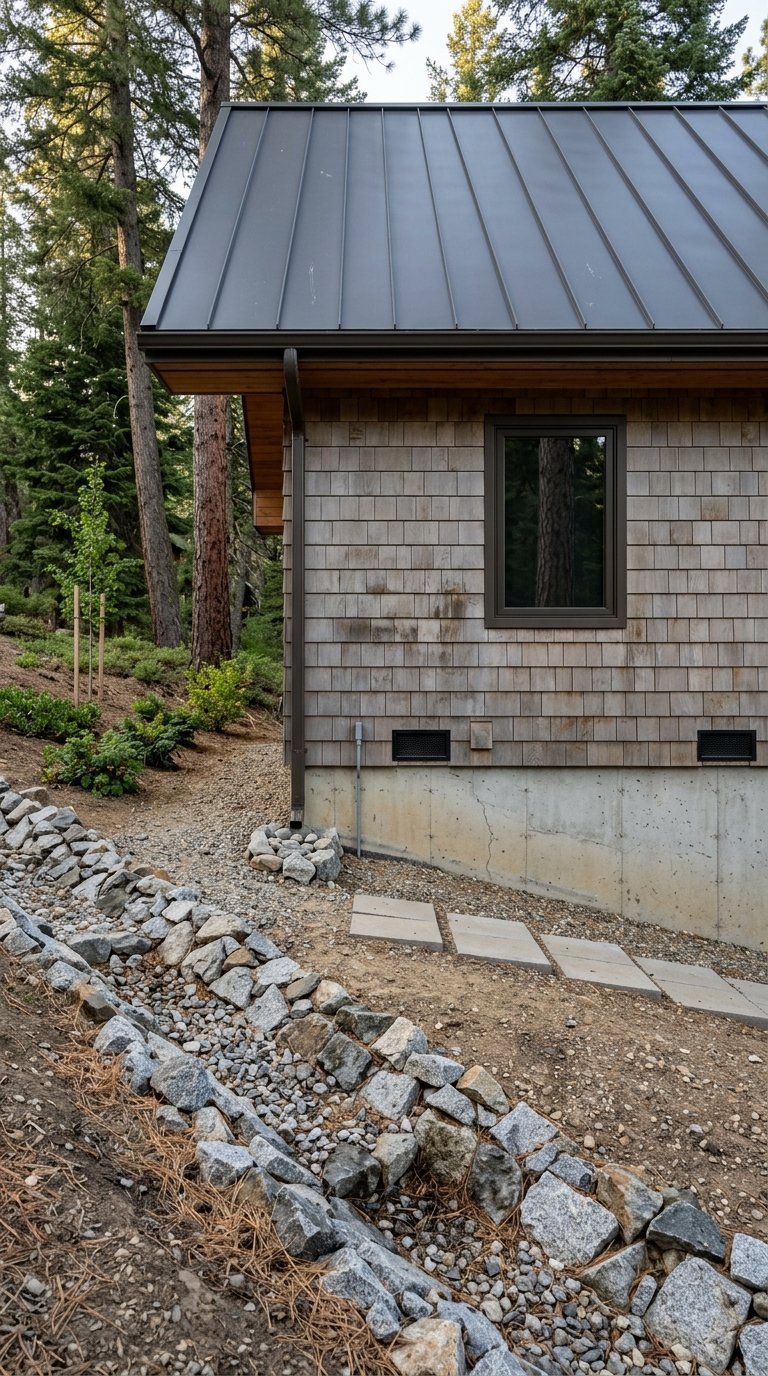
Buying a cabin in Glen Haven can feel like finding the mountain escape you have been picturing for years. It is easy to focus on the setting, the trees, and the quiet, but in this part of Larimer County, access and risk deserve just as much attention as charm. If you are thinking about buying here, this guide will help you understand the practical side of ownership so you can move forward with more clarity and confidence. Let’s dive in.
Why Glen Haven Draws Cabin Buyers
Glen Haven is an unincorporated mountain community in Larimer County’s forested Big Thompson corridor, west of Loveland and generally northeast of Estes Park. According to Larimer County planning materials, the area is defined by a mountainous setting, scattered residential pockets, and nearby public lands and National Forest lands.
That setting is a big part of the appeal. If you are looking for a cabin that feels connected to the outdoors rather than a standard subdivision layout, Glen Haven offers a very different ownership experience. It also means the basics of access, utilities, and hazard exposure can be more complex than what you might expect in town.
Access Matters More Than You Think
In Glen Haven, getting to a property is only part of the story. Larimer County notes in its rural land guidance that being able to drive to a parcel does not guarantee emergency access, and response times cannot be guaranteed.
This is especially important in a mountain corridor served by roads such as US 34 and Devils Gulch Road, also known as County Road 43. Older county emergency planning materials describe Glen Haven as accessed by County Road 43 from Estes Park to Drake, which helps explain why buyers should pay close attention to route options and road conditions.
Private roads can change the equation
A key issue for cabin buyers is whether the road is county-maintained, privately maintained, or not maintained at all. Larimer County maintains 1,103 miles of roads, but many rural properties are served by private roads, and subdivision roads are often the responsibility of the landowners who use them.
That can affect more than convenience. It can shape winter travel, emergency response, repair costs, and even whether construction vehicles can reach the site if you plan to remodel.
Winter access is a real buying factor
Larimer County’s snow and ice policy says private roads and driveways are not plowed except in a life-threatening emergency. County snow operations focus on designated emergency routes, which means a cabin may be reachable in summer but much harder to access after a storm.
The county also warns that in extreme weather, even county-maintained roads can become impassable and drivers may need four-wheel drive with chains. If you plan to use a cabin year-round, winter access should be part of your buying decision, not an afterthought.
Evacuation Planning Is Part of Ownership
Mountain property ownership comes with a different level of responsibility around emergency preparedness. Larimer County’s evacuation guidance says routes may change during wildfire or flood events, roadway capacity can slow evacuations, and one lane may be preserved for inbound emergency vehicles when possible.
The county also explains on its wildfire safety page that evacuation decisions depend on fire behavior, weather, terrain, structures at risk, and available routes. In a place like Glen Haven, that means your route in may not always be your route out.
Recent events show how quickly conditions can change
During the July 2024 Alexander Mountain Fire response, Larimer County shared evacuation notices, road closures, and animal evacuation information while multiple agencies responded. Glen Haven Fire was among the responding agencies, and even normal local services were disrupted for a period.
For buyers, this is a reminder that emergency alerts, route awareness, and a workable evacuation plan are part of mountain living. They are not rare edge cases.
Flood Risk Is Central in Glen Haven
Flood exposure is one of the most important issues to evaluate before buying a cabin here. Larimer County has published a Glen Haven floodplain study with preliminary materials for Fox Creek, North Fork, West Creek, and the West Creek Road area to help property owners and officials make informed decisions.
This matters because the area has experienced severe flood impacts. Larimer County has noted that the 2013 flood had a significant effect on Glen Haven area floodplains, and its public summary of that event recalled destroyed bridges, washed-out roads, lost lives, and extensive public and private property damage.
Fire and flood risk can overlap
A common mistake is treating wildfire and flooding as separate issues. In mountain terrain, they can be closely connected. Larimer County’s 2023 year-in-review reported significant August 2023 monsoon flooding damage near County Road 43 and Lower Streamside, including a washed-out culvert and debris impacts, along the edges of the Cameron Peak Fire burn scar.
That is a useful reminder for buyers. After major fires, runoff and debris flow risks can increase, which may affect roads, culverts, drainage, and access in surrounding areas.
Wildfire Is an Ongoing Reality
Wildfire remains a defining risk in this part of Larimer County. The county’s wildfire safety guidance notes that officials monitor conditions year-round and may impose fire restrictions when conditions warrant.
For a buyer, wildfire risk is not just about the structure itself. It also affects insurance availability, defensible space, access routes, and how easily emergency crews can reach a property.
Mitigation resources are improving
There is encouraging news on the mitigation side. Larimer County announced a $9.856 million Community Wildfire Defense Grant for the Gateway to the Rockies project, which includes the Glen Haven and Retreat CWPP area.
According to the county, the project calls for defensible-space work on up to 900 parcels, landscape treatments on up to 500 acres, strategic fuels treatments along up to seven miles of key roadways, and improvements to evacuation plans and procedures. That does not remove risk, but it does show continued investment in corridor-wide resilience.
Cabins Often Have Different Utility Questions
If you are used to suburban housing, Glen Haven cabins may come with systems and records that require extra research. One of the biggest examples is septic.
Larimer County’s onsite wastewater guidance says a permit is required before building or repairing a septic system, but records may be missing for older properties. Homes built before 1973 often do not have permit records unless the system was later repaired or upgraded.
A cabin may not function like a full-time home
The county also explains that cabins without plumbing and with water hauled or carried to the site may use limited-use systems such as vaults, vaulted privies, or composting toilets. But if a property has water from a well or public system, or is converted to full-time residential use, a full onsite wastewater treatment system is generally required unless the site cannot support one.
This is a major due diligence issue. A cabin that works for occasional seasonal use may require substantial upgrades if your goal is more regular occupancy.
Permits and inspections still matter
Larimer County’s building inspection information notes that cabin permits receive a letter of completion after final approvals, while septic and water hookups are handled through separate county or district processes. The same page also notes that inspections can be delayed or billed if there is no access or no site address posted.
If you are buying an older cabin, you should ask for documentation early. Missing records do not always mean a problem, but they do mean you need a clearer picture before closing.
Newer Codes Could Affect Future Plans
If you plan to remodel, expand, or rebuild, code requirements may be part of the long-term ownership equation. Larimer County says on its building codes page that permits received on or after January 1, 2026 are subject to updated 2024 model codes, and the county also adopted a 2025 wildfire resilience code effective January 1, 2026.
At the state level, Colorado’s Wildfire Resiliency Code Board says the 2025 Colorado Wildfire Resiliency Code was adopted to reduce wildfire risk through structure hardening and defensible space. For buyers, that means a charming older cabin and a future renovation budget may not be the same conversation.
Insurance Should Be Checked Early
Insurance is one of the biggest reasons mountain buyers benefit from doing homework before they fall fully in love with a property. Flood insurance, in particular, is often misunderstood.
Colorado’s Division of Insurance says most homeowners do not realize a standard homeowners policy does not include flood damage. It also notes that NFIP flood policies are generally available whether or not a property is in a floodplain, that coverage usually has a 30-day waiting period, and that premiums average about $1 a day depending on coverage and location.
Do not rely only on broad assumptions
The same state guidance says flood risk exists in high-, medium-, and low-risk areas, and about 25% of flood insurance claims come from outside high-risk zones. That is why buyers should check the exact property address rather than relying on a general sense that a cabin seems uphill or away from the creek.
FEMA’s Flood Map Service Center is the official public source for flood hazard information, and FEMA notes that maps are updated over time. In Glen Haven, it also makes sense to compare FEMA map information with Larimer County’s local floodplain study materials.
Backup insurance options may matter
For wildfire-related coverage issues, Colorado’s Division of Insurance says the FAIR Plan is designed to provide property coverage when traditional coverage is unavailable, including situations related to wildfire risk.
That does not mean every buyer will need it. It does mean insurance availability and cost should be verified before you commit.
A Practical Buyer Checklist
Before you buy a Glen Haven cabin, make sure you can answer these questions clearly:
- Do you have confirmed legal access and recorded easements?
- Who maintains the road, driveway, bridge, or culvert, and who pays for repairs?
- What is the winter access situation on the exact route to the property?
- Has the parcel been checked through FEMA flood maps and Larimer County floodplain materials?
- Are there septic permits, well records, and documentation showing how the cabin is legally classified?
- Have you priced homeowners, flood, and backup insurance options if needed?
- Is there adequate defensible space, driveway width, and turnaround area for emergency response?
- Would future remodels or rebuilding trigger newer building or wildfire-resilience codes?
These questions may feel less exciting than views and finishes, but they are often what determine whether a cabin is a good fit for your goals.
Why Local Guidance Helps
Glen Haven can be a rewarding place to own property, but it asks buyers to think like mountain owners from day one. Access, flood exposure, wildfire mitigation, infrastructure, and insurance all deserve careful review before you move forward.
That is where local guidance can make a real difference. If you want help evaluating a cabin in Glen Haven or comparing mountain properties with a clear eye on risk and long-term usability, Alpine Legacy is here to help you begin your mountain legacy.
FAQs
What should buyers verify about Glen Haven cabin access?
- Buyers should confirm legal access, easements, road maintenance responsibility, and whether the route is county-maintained, private, shared, or seasonally difficult.
What flood risk tools should buyers use for Glen Haven properties?
- Buyers should check the exact parcel in FEMA’s Flood Map Service Center and compare that information with Larimer County’s Glen Haven floodplain study materials.
What wildfire issues matter most for Glen Haven cabin buyers?
- Buyers should review defensible space, evacuation routes, driveway access for emergency vehicles, local fire restrictions, and insurance availability tied to wildfire risk.
What septic questions should buyers ask about older Glen Haven cabins?
- Buyers should ask for septic permit records, system type, repair or upgrade history, and whether the property can support the intended level of use.
What insurance coverage should Glen Haven cabin buyers price out early?
- Buyers should get quotes for homeowners insurance, separate flood insurance, and possible FAIR Plan options if standard wildfire-related coverage is hard to obtain.